
Optometrist
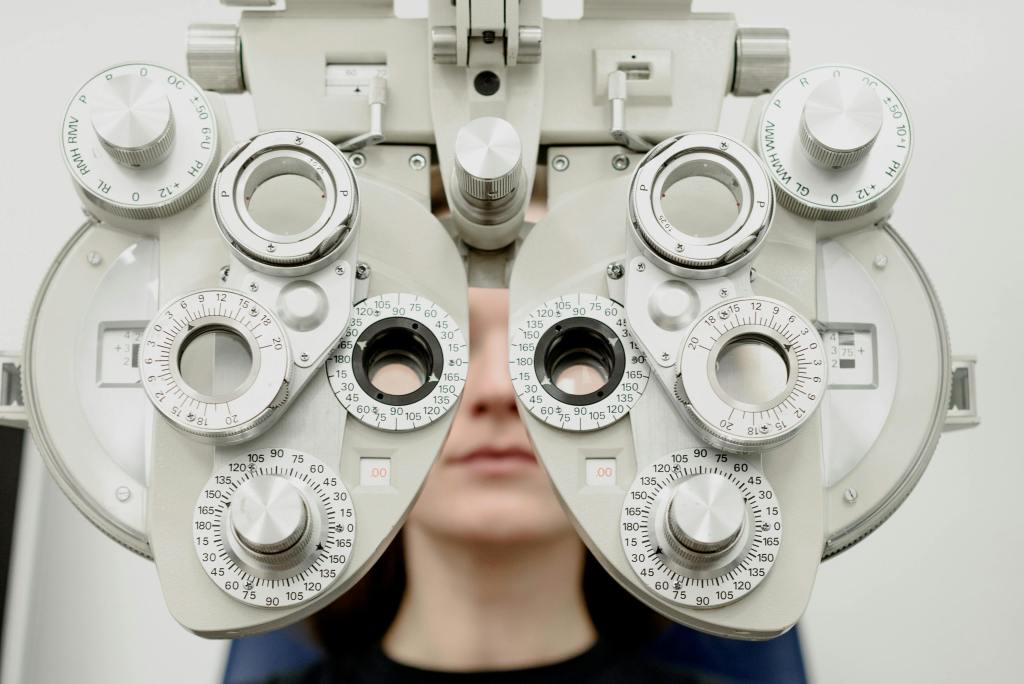
At the Optometrist
Receptionist: Good afternoon. How can I help you?
Patient: Hello. I have an appointment with Dr. Rehman.
Receptionist: May I have your name, please?
Patient: My name is David Kim.
Receptionist: Thank you. Please have a seat. The doctor will see you soon.
(A few minutes later in the office)
Optometrist: Hello, David. What brings you in today?
Patient: My vision is blurry, especially when I read.
Optometrist: I see. How long have you had this problem?
Patient: For about two months.
Optometrist: Okay. I will do an eye exam and check if you need glasses.
Patient: Thank you, doctor.
Optometrist: You’re welcome. Let’s begin the test.
When visiting an optometrist for an eye exam or other eye care needs, it’s important to ask questions that help you understand your eye health, any necessary treatments, and the best practices for maintaining good vision. Here are some key questions to consider:
Eye Health and Vision
- What is the current state of my eye health?
Get a comprehensive overview of your eye health and any findings from the exam. - Are there any signs of eye diseases or conditions I should be aware of?
Inquire about any potential issues such as glaucoma, macular degeneration, or diabetic retinopathy. - How often should I have my eyes examined?
Understand the recommended frequency for eye exams based on your age, health, and vision needs. - What are the most common vision problems for someone my age?
Learn about age-related vision changes and what to expect as you get older.
Vision Correction
- Do I need corrective lenses, and if so, what type (glasses or contact lenses)?
Determine if you need glasses or contacts and which type would be best for you. - Can you explain my prescription and how it affects my vision?
Get a detailed explanation of your prescription and how it will improve your vision. - What are the benefits and drawbacks of different types of contact lenses (daily, monthly, etc.)?
Understand the various types of contact lenses and which might be suitable for you. - Are there any specific brands or types of glasses lenses that you recommend?
Ask for recommendations on lens materials, coatings, or brands.
Eye Care and Maintenance
- What steps can I take to protect my eyes from damage or disease?
Get advice on how to protect your eyes from harmful UV rays, digital eye strain, and other risks. - How can I reduce eye strain and improve comfort if I spend long hours at a computer?
Seek tips on reducing eye strain and improving comfort during extended screen time. - Are there any specific eye exercises or routines that can benefit my vision?
Inquire about exercises or habits that can support eye health.

Treatment and Follow-Up
- What are the treatment options if I have a specific eye condition or vision problem?
Get information on available treatments for any diagnosed conditions. - How should I care for and clean my contact lenses?
Learn proper care and cleaning techniques to ensure safe use of contact lenses. - What should I do if I experience sudden changes in vision or eye discomfort?
Know the steps to take if you notice any sudden or significant changes in your vision.
Insurance and Costs
- What is the cost of the eye exam, and does it cover all necessary tests?
Understand the cost of the exam and whether it includes all required tests. - Does my insurance cover eye exams, glasses, or contact lenses?
Check what your insurance plan covers and if there are any out-of-pocket expenses. - Are there any discounts or payment plans available for glasses or contacts?
Inquire about any available discounts or financing options for eyewear.
Additional Services and Information
- Do you offer any advanced diagnostic tests or screenings, such as retinal imaging?
Find out about additional tests that can provide more detailed information about your eye health. - Can you recommend any reputable sources for purchasing glasses or contact lenses?
Ask for recommendations on where to buy eyewear if the optometrist doesn’t sell them directly. - What should I know about the latest advancements in eye care technology or treatments?
Stay informed about new technologies or treatments that could benefit your eye health.
By asking these questions, you can gain a clearer understanding of your eye health, make informed decisions about vision correction, and ensure you receive the best possible care.
 Questions We Ask