
Personal Income Tax
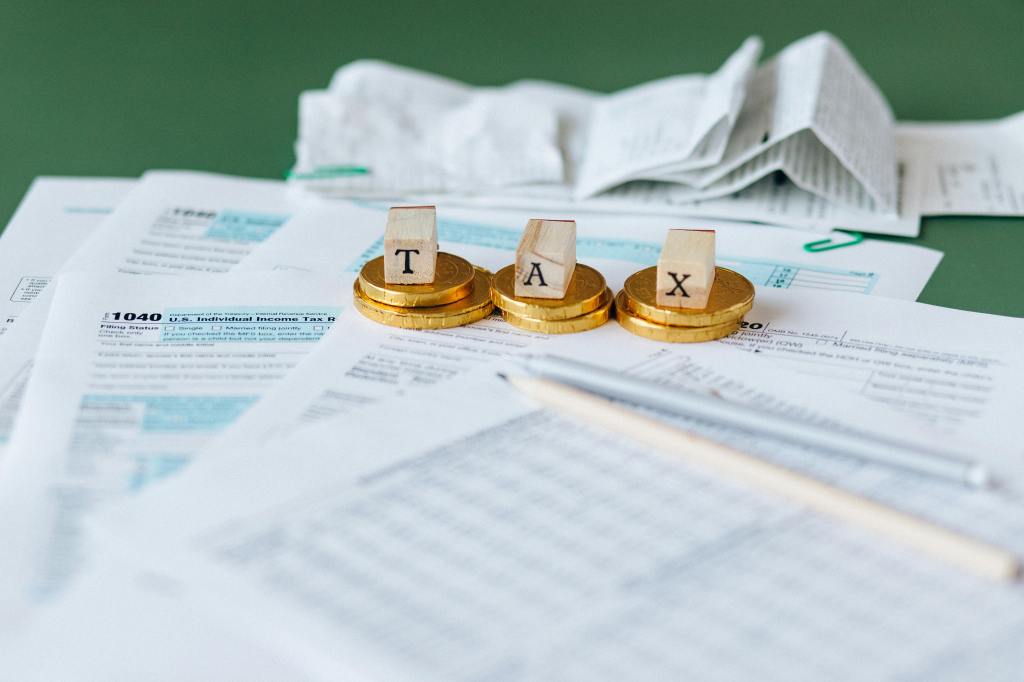
Filing Personal Income Tax
Tax Officer: Good morning! How can I help you today?
Taxpayer: Hello. I need help filling out my personal income tax.
Tax Officer: Sure. Do you have your income documents with you?
Taxpayer: Yes, I have my pay stubs and receipts.
Tax Officer: Great. Let’s start with your personal information. What is your full name and address?
Taxpayer: My name is Maira Begum, and I live at 123 Maple Street.
Tax Officer: Thank you. Now, what was your total income last year?
Taxpayer: It was $35,000.
Tax Officer: Do you have any deductions or expenses to claim?
Taxpayer: Yes, I paid $2,000 in tuition fees.
Tax Officer: Perfect. I will calculate your tax return.
Taxpayer: Thank you very much.
Tax Officer: You’re welcome! Here is your completed tax form.
When filing your personal income tax, it’s important to ask questions that help you understand the process, ensure you’re maximizing deductions and credits, and avoid common mistakes. Whether you’re filing on your own or working with a tax professional, here are key questions to ask:
Understanding Your Filing Status and Requirements
- What is my correct filing status, and how does it affect my tax liability?
Clarify whether you should file as single, married filing jointly, married filing separately, head of household, or qualifying widow(er). - What forms do I need to file my taxes?
Determine the specific tax forms required for your situation. - What is the deadline for filing my tax return, and what happens if I miss it?
Know the filing deadline and the consequences of filing late, including penalties and interest. - Am I required to file a tax return if my income is below a certain threshold?
Check the income limits for filing requirements to see if you’re obligated to file.
Income and Deductions
- What types of income must I report?
Confirm all sources of income that need to be reported, including wages, interest, dividends, rental income, freelance work, and other earnings. - What deductions am I eligible for, and should I itemize or take the standard deduction?
Compare the standard deduction to potential itemized deductions, such as mortgage interest, medical expenses, charitable contributions, and state taxes. - How can I maximize my deductions and credits?
Ask about strategies to reduce your taxable income or increase your eligible credits, such as retirement contributions or education expenses. - Are there any deductions or credits specific to my situation (e.g., self-employment, education, homeownership, dependents)?
Identify deductions and credits that apply specifically to your circumstances.
Credits and Refunds
- What tax credits am I eligible for, and how do they differ from deductions?
Understand available credits, such as the Earned Income Tax Credit, Child Tax Credit, or education credits, and how they directly reduce your tax bill. - How will tax credits impact my refund or amount owed?
Learn how refundable and non-refundable credits affect your tax return. - When can I expect my tax refund, and what are my options for receiving it?
Inquire about the typical timeline for refunds and whether you can receive it via direct deposit, check, or other methods.
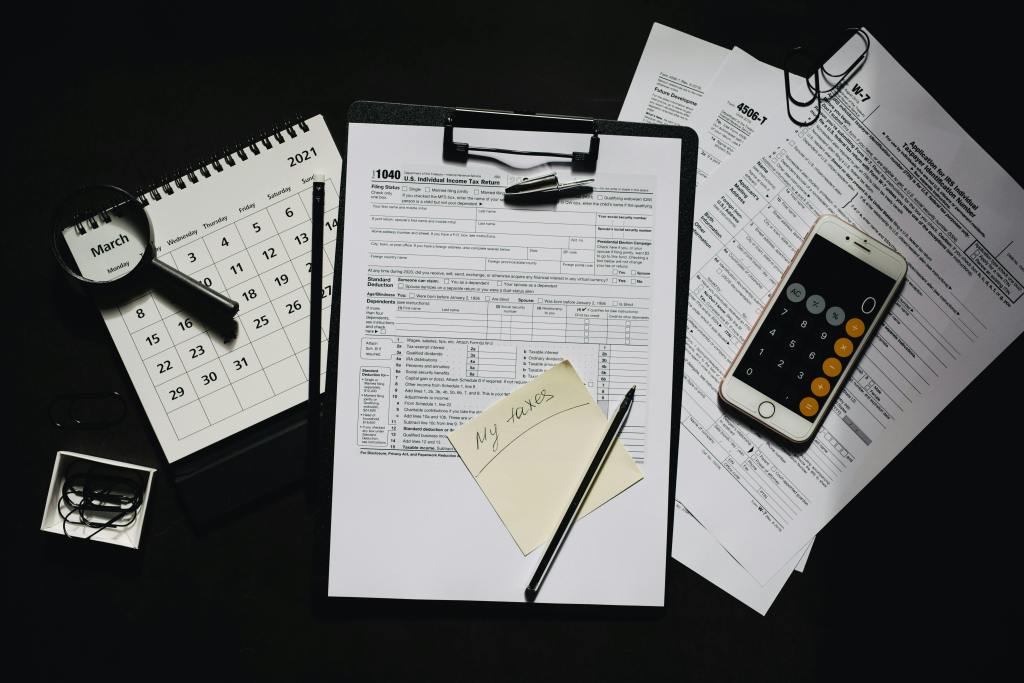
Tax Payments and Withholding
- Do I need to make estimated tax payments, and how do I calculate them?
If you’re self-employed or have other income not subject to withholding, understand the requirements for quarterly estimated tax payments. - How can I adjust my withholding to avoid owing taxes next year?
Ask about changing your withholding on Form W-4 to better align with your tax liability. - What should I do if I can’t pay my tax bill in full by the deadline?
Learn about options for payment plans, installment agreements, or requesting an extension to pay.
Record keeping and Documentation
- What records and documentation should I keep, and for how long?
Understand what documents (e.g., receipts, W-2s, 1099s) to retain and the duration for which you need to keep them. - What happens if I lose a tax document or receive an incorrect one?
Ask about how to obtain replacement documents or correct errors in received tax forms. - Do I need to provide documentation for deductions and credits claimed?
Learn about the evidence required to substantiate claims, such as receipts for charitable contributions or medical expenses.
Filing Process and Assistance
- Should I file my taxes myself or use a tax professional?
Consider the complexity of your tax situation and whether it’s worth hiring a professional or using tax software. - If I hire a tax preparer, what credentials and experience should they have?
Ensure your tax preparer is qualified, such as being a CPA, enrolled agent, or certified tax preparer. - What are the costs associated with filing my taxes, either through a professional or software?
Compare costs of various filing methods, including professional services, online platforms, or in-person assistance. - Can I file my taxes electronically, and what are the benefits?
Ask about the benefits of e-filing, such as faster processing and quicker refunds.

Tax Law Changes and Special Considerations
- Have there been any recent changes in tax law that affect my filing?
Inquire about new tax laws, credits, or deductions that may impact your return. - Are there any tax implications for significant life events (e.g., marriage, divorce, buying a home, having a child)?
Learn how major life changes affect your tax situation and what adjustments you need to make. - How do I handle state taxes if I’ve moved or worked in multiple states?
Understand your state tax obligations if you’ve lived or worked in different states during the year.
Audit and Compliance
- What are the chances of being audited, and how can I reduce my audit risk?
Learn about common audit triggers and how to file accurately to minimize risks. - What should I do if I receive a notice from the IRS?
Ask about the steps to take if the IRS contacts you regarding your tax return. - How do I correct mistakes on a previously filed return?
Understand the process for amending a tax return if you discover errors after filing.
By asking these questions, you’ll be better prepared to file your personal income tax accurately, maximize your potential refund, and ensure compliance with tax laws.
 Questions We Ask